POLAND IN SPACE
Mission IGNIS & The Rise of Poland’s Space Sector
Poland’s space sector has seen remarkable growth over the past decade, particularly since joining the European Space Agency (ESA) in 2012. Once known primarily for its scientific heritage and contributions to astronomy, today Poland is actively shaping the future of space exploration through cutting-edge research, international collaboration, and technological innovation.
Space is no longer limited to superpowers. It’s becoming a shared, global endeavor. Poland’s journey shows how nations can successfully integrate into this new frontier through collaboration, expertise, and vision.
Mission IGNIS – A Historic Leap 🚀
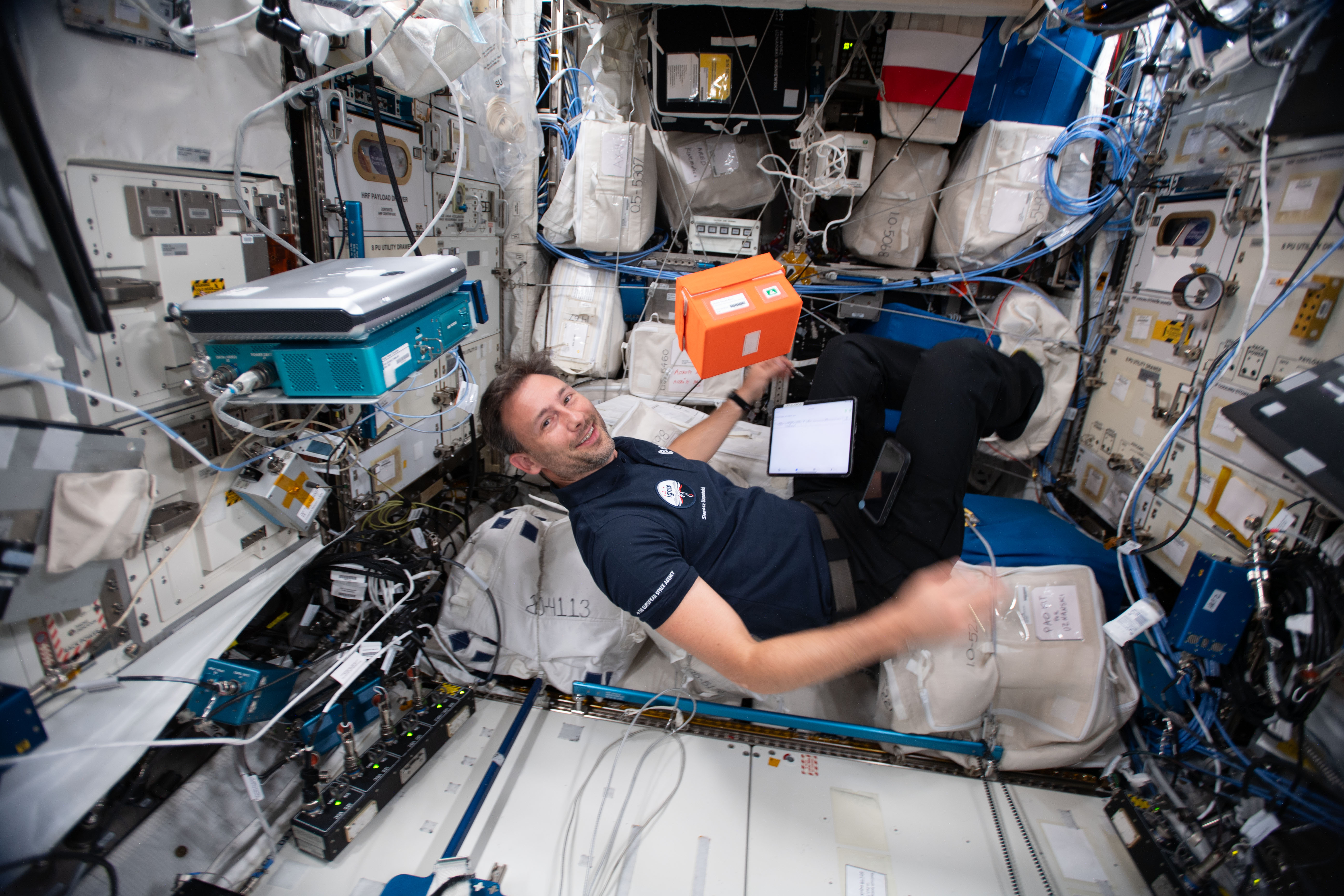
A defining milestone in Poland’s space journey is Mission IGNIS, the country’s first technological and scientific mission to the International Space Station (ISS). By the time Sławosz departed from the International Space Station on Monday, 14 July 2025, he completed nearly 320 orbits around Earth, covering more than 13 million kilometres.

Named after the Latin word for fire, IGNIS symbolizes the spark of innovation driving Poland’s ambitions in space.
As part of the international Axiom Mission 4 (Ax-4), Polish astronaut Sławosz Uznański-Wiśniewski led a global crew on a mission that represents both national pride and international cooperation. Travelling alongside Sławosz were commander Peggy Whitson from the USA, pilot Shubhanshu Shukla from India and fellow mission specialist Tibor Kapu from Hungary.
During the mission:
- – Over 60 scientific experiments were conducted
- – Research covered biomedical science, advanced materials, neuroscience, agriculture and space technology
- – Polish experiments were developed in collaboration with universities, research institutions, and companies and coordinated by ESA and the Polish Space Agency (POLSA)
- – Sławosz became a bridge between orbit and Earth, recording educational videos and participating in live calls with students, teachers and leaders across Poland
- – The mission contributed to both global science and commercial space innovation
IGNIS is more than a mission. It marks Poland’s transition from participant to co-creator in the global space ecosystem.
From Innovation to Orbit: Satellites & Security🛰️
Poland’s ambitions go beyond human spaceflight.
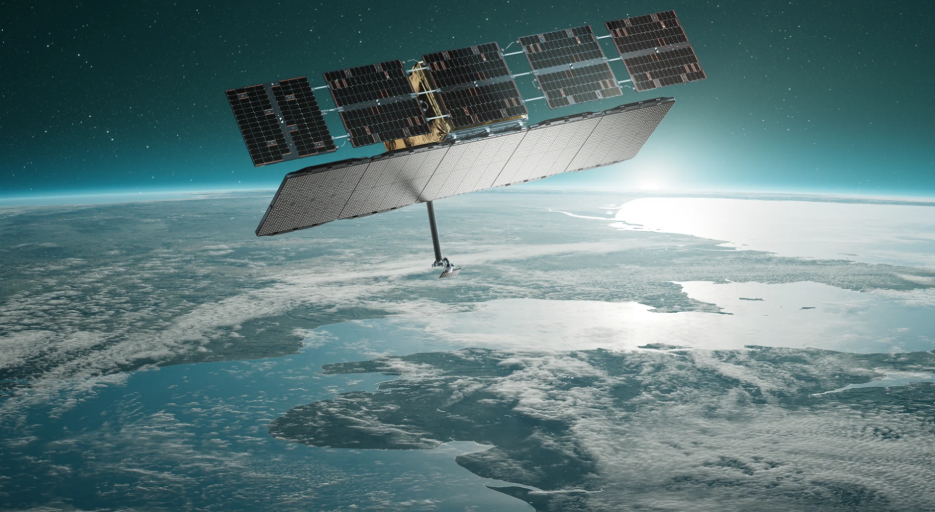
Our country is actively developing its satellite capabilities, including cooperation with companies such as Polish-Finnish ICEYE, a global leader in radar imaging satellites. These technologies enable:
- – Real-time Earth observation through dense cloud cover and complete darkness
- – Climate and environmental monitoring
- – Enhanced national security and defense capabilities
The launch of Poland’s first military satellite systems marks a significant step toward technological independence and strategic resilience. It demonstrates how space is becoming essential not only for exploration, but also for security and economic development.


Poland’s space story is not just about long-term ambition – it is unfolding right now.
On 30 March 2026, the Transporter-16 mission, operated by SpaceX, successfully launched multiple payloads into orbit, including two radar satellites developed by the Polish-Finnish company ICEYE for the Polish Armed Forces.
These satellites are part of the MicroSAR programme, aimed at significantly strengthening Poland’s independent Earth observation and reconnaissance capabilities.
This milestone highlights a dramatic transformation. By the end of 2026, Poland is expected to operate as many as nine satellites